


The Adriatic region is becoming one of the most dynamic logistics areas in Europe. Shifts in global trade routes, geopolitical tensions and new energy realities are redefining how cargo moves between Asia and Europe. At the same time, ports, rail infrastructure and logistics hubs across Slovenia, Croatia, Italy and Austria are entering a new investment cycle that will shape competitiveness for years to come.
Moving Adria 2026 connects the key players behind these changes. The conference brings together port authorities, logistics companies, infrastructure experts, industry leaders and policymakers to address one central question. Who will capture future cargo flows in the Adriatic region?
The conference is designed for decision-makers in logistics, transport, manufacturing, trade and infrastructure, as well as for companies seeking new business opportunities within the Adriatic corridor. It offers practical insights, real cases and direct access to key stakeholders shaping the future of regional logistics.
Participant registration with welcome refreshments
Conference opening: Navigating the Future of Adriatic Logistics
Global Disruptions, New Routes: Who Controls the Flow of Trade?
Nearly two and a half years after the start of the Red Sea crisis, Northern Adriatic ports continue to attract cargo flows, despite the loss of their key advantage as the shortest maritime route between Asia and Europe. What is driving this resilience and how are geopolitical tensions and energy shifts reshaping global logistics?
16:30–17:00Shaping Adriatic Ports 2030: Strategy, Specialization and Infrastructure Priorities
As global trade routes shift under geopolitical pressure, Adriatic ports face a narrow window to position themselves for the next decade. Investment cycles, infrastructure upgrades and clear specialization strategies will determine which ports capture future cargo flows and which fall behind. This panel brings together leading port executives to discuss how they are aligning investments with changing trade patterns, what role specialization will play in the Northern Adriatic system, and how ports can prepare their infrastructure for more volatile, less predictable logistics flows.
9:30–10:15Infrastructure Race: Rail Connectivity and Throughput in the Adriatic Region – Who Will Move Adriatic Cargo Faster?
Rail and infrastructure investments across Slovenia, Croatia, Italy and Austria are reshaping how cargo moves between Adriatic ports and their hinterland. New corridors and upgraded connections are no longer national projects; they define regional competitiveness and the ability to capture future cargo flows.
This session explores how quickly ports will be connected to their key markets by 2030, what concrete plans are already in motion, and how coordinated investments across borders can increase throughput beyond individual countries, especially between Slovenia and Croatia.
This panel also looks beyond project announcements to examine actual impact. How much road traffic will be reduced, how will new rail links reshape logistics decisions, and what broader economic and social effects can be expected? The discussion will also address cross-border coordination and whether national investments are truly creating a stronger, more connected Adriatic logistics system.
10:15–10:40Building the Adriatic Logistics Network: Hubs, Warehousing and Last-Mile Infrastructure
The Adriatic logistics corridor is no longer defined by ports alone. The real competition is shifting inland, to intermodal hubs, logistics parks and distribution centres that determine how efficiently cargo moves into Europe.
This session explores how investments in warehousing, intermodal infrastructure and last-mile connectivity are shaping the region's competitiveness. Which projects are already attracting cargo and industry, how are public and private players aligning their roles, and can logistics hubs evolve from support infrastructure into engines of industrial growth and new trade flows across the Northern Adriatic?
12:45–13:05Future of Logistics: How Robotics, AI and Cybersecurity Are Reshaping Logistics
Logistics is no longer driven by scale alone, but by automation, data, intelligent systems and secure digital infrastructure. Robotics, AI and cybersecurity are transforming warehouses, production logistics and distribution networks, reducing dependency on manual processes while increasing speed, accuracy, resilience and protection against disruptions.
This session looks at how companies in the region are applying these technologies in practice. Where are the real gains, what are the limits, and how do cyber risks influence the design and reliability of modern logistics systems? As operations become more connected and data-driven, vulnerability to cyber threats becomes a real operational risk, not just an IT issue. The discussion also opens a broader question of competitiveness, as early adopters are already setting new standards not only in cost and service, but also in security, reliability and the ability to operate in an increasingly complex and risk-exposed environment.
15:00–15:20
























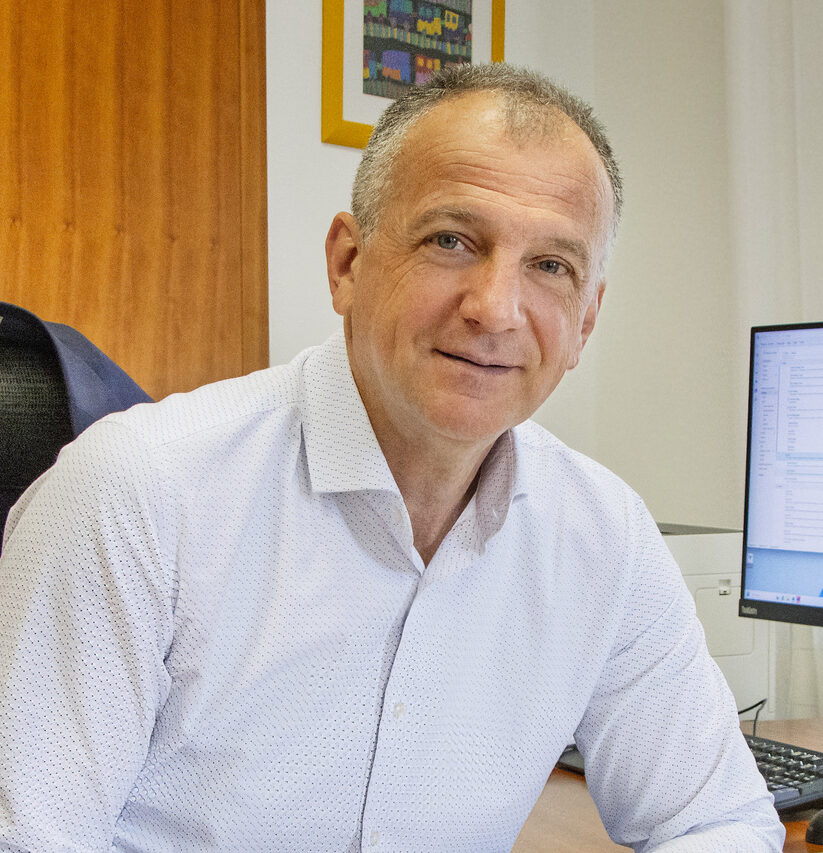



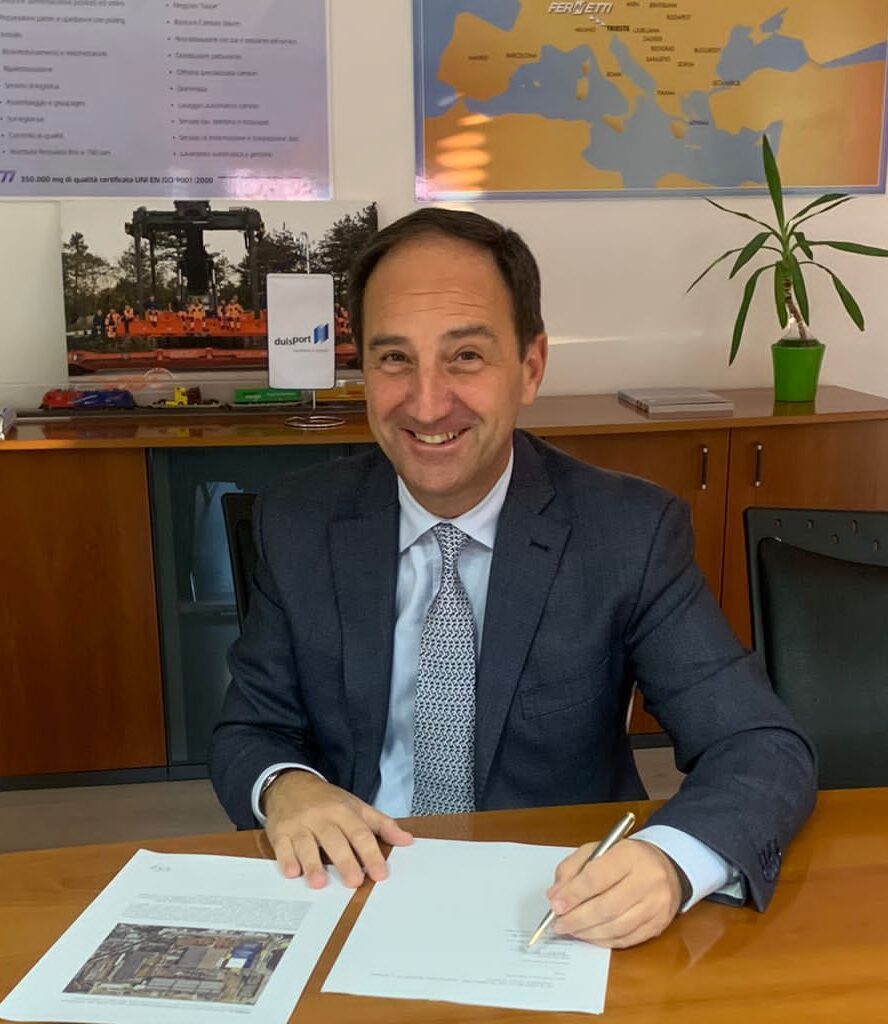



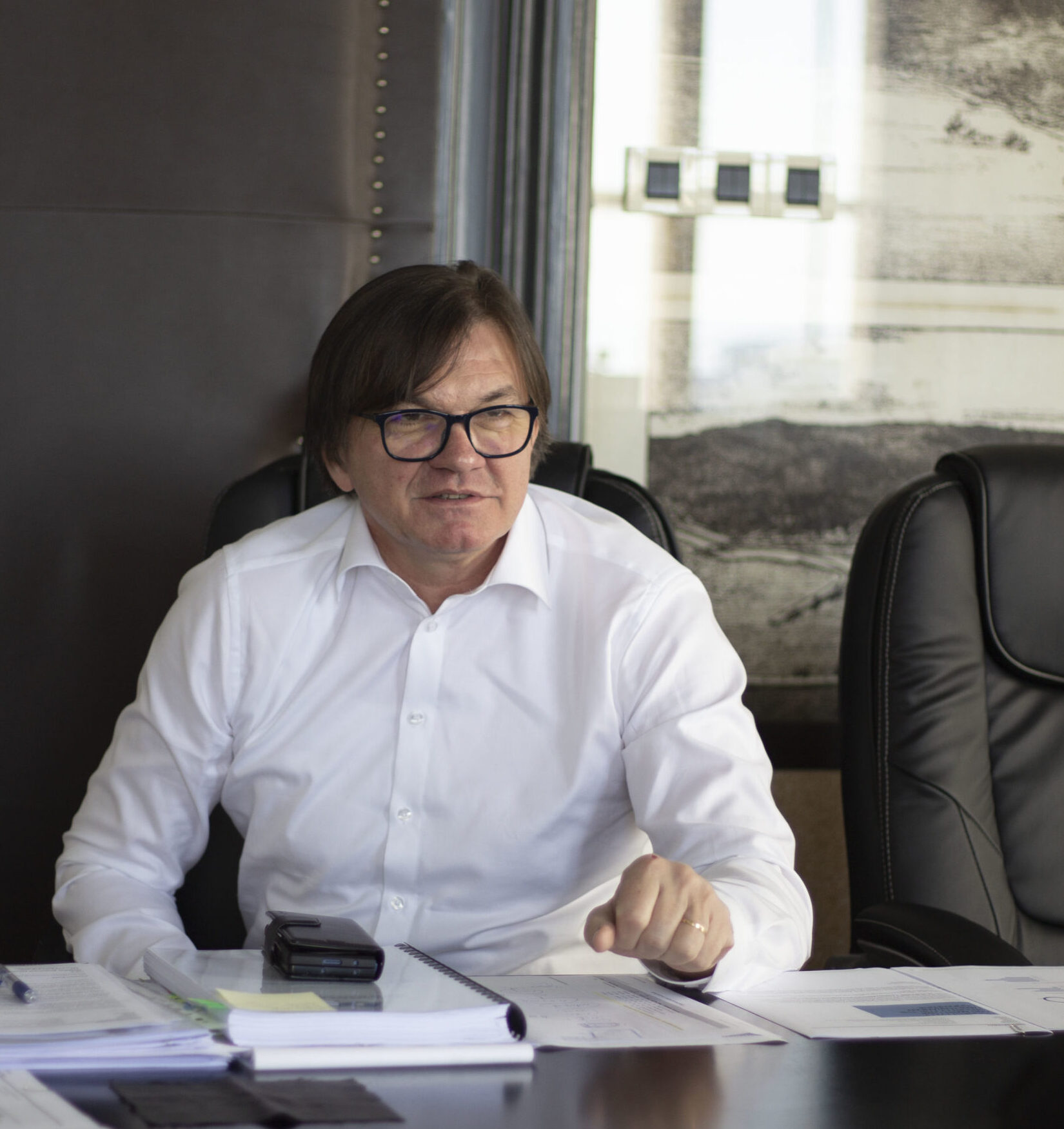


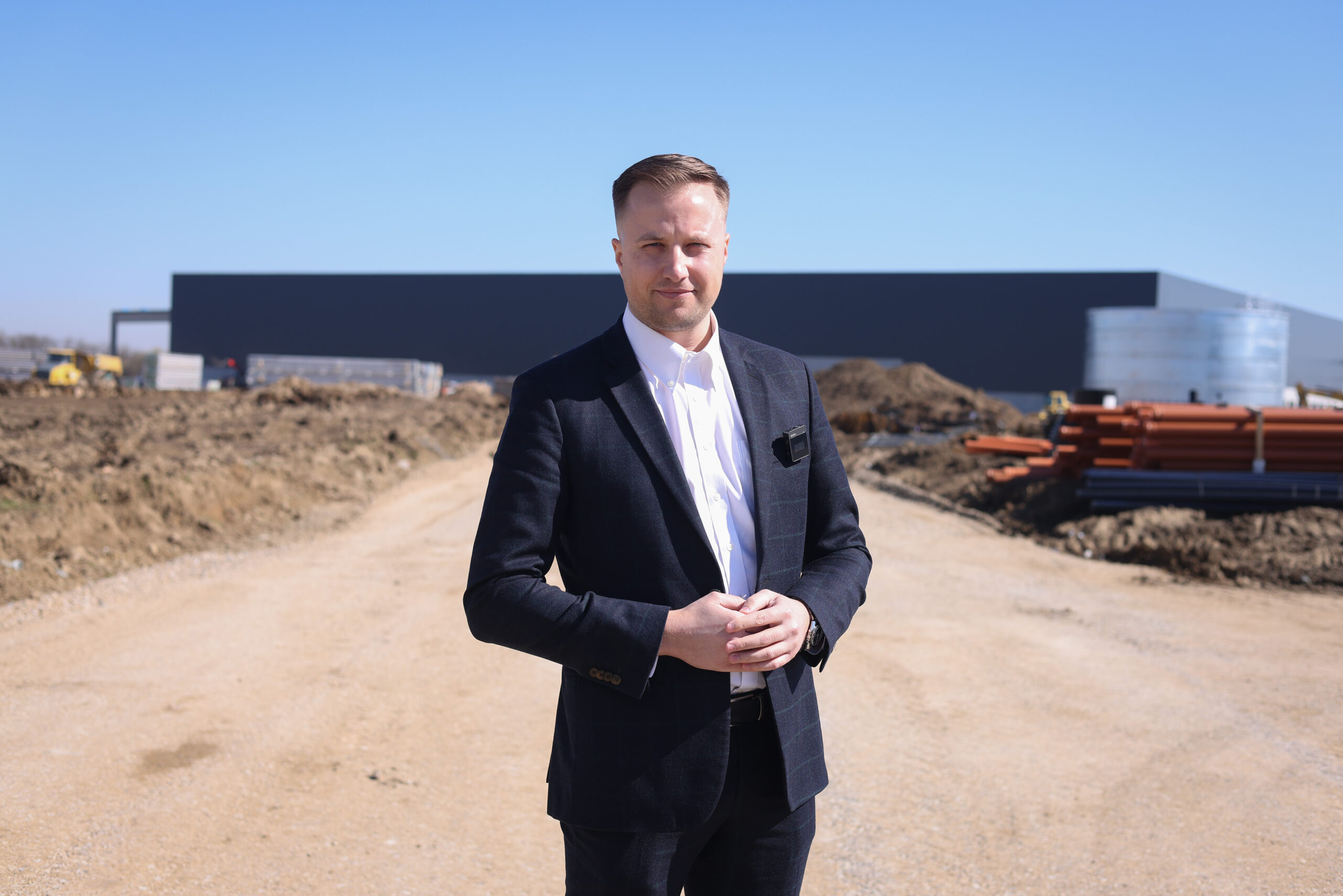




Price per participant · VAT not included
290 €
Registration closed on 15 June 2026
312 €
Registration closed on 31 August 2026
390 €
From 1 September 2026
The participation fee includes
Event venue
Amadria Park Opatija
Ul. Viktora cara Emina 6, 51410 Opatija, Croatia
Accommodation booking
Secure your accommodation at Amadria Park hotels under special conditions for Moving Adria 2026 conference participants.
Hotel Royal ★★★★
Double room: €177.00 · Single use: €160.00
Grand Hotel 4 Opatijska Cvijeta ★★★★
Double room: €177.00 · Single use: €160.00
Hotel Agava ★★★★
Double room: €141.00 · Single use: €126.00
Hotel Milenij ★★★★★
Double room: €200.00 · Single use: €183.00
Prices are charged per room per night and include breakfast, WiFi and VAT. Tourist tax is not included.
Book your accommodation for Moving Adria 2026 →Booking support
For any questions or booking support, please contact:
Aleksandra Horvat
Director of Project and Content Marketing
Časnik Finance
Časnik Finance is the leading business media company in Slovenia, with over 30 years of experience delivering in-depth coverage of the economy, finance, entrepreneurship and key business topics. Through its core platform Finance.si, the Finance Manager magazine, specialised publications and digital channels, it supports the business community in making informed decisions. In addition to publishing, Finance organises business conferences, educational programmes and networking events that connect experts, entrepreneurs and key decision-makers. Časnik Finance is fully owned by Bonnier Business Press, part of the Bonnier Group, a family-owned media company operating in 15 countries with around 160 companies and more than 8,000 employees. More at finance.si.

Business Media Croatia is a leading publisher of niche business publications in Croatia, with more than 25 years of media tradition. In 2025, it became part of Časnik Finance and the Bonnier Group, which has over 200 years of history and publishes more than 40 B2B titles across 15 countries. This expansion strengthens business media content, introduces new formats of professional communication and expands the group’s presence in the region. More at bmcroatia.hr.
Logistika & Prevozi (Slovenia) and Logistika & Prijevozi (Croatia) are specialised B2B platforms focused on transport, logistics and modern business mobility. They serve both professional and business audiences and act as a content and communication platform for understanding industry developments, challenges and opportunities.